
Key Takeaways
- Inclusion in senior living means true belonging, not just physical access.
- Thoughtful onboarding and personalized touches help new residents feel seen.
- Team members play a central role in fostering connection and dignity.
- Knowing what questions to ask on a tour helps you find a community that truly walks the walk.
What Inclusion in Senior Living Actually Looks Like
You’ve probably heard the word “inclusive” used so often it starts to feel hollow. In senior living, though, the difference between a place that talks about inclusion and one that actually lives it shows up in the small moments, like whether someone learns your name on day one or whether your favorite cultural dish ever makes it onto the menu.
True inclusion in senior living means every resident, regardless of background, identity, or ability level, feels genuinely at home. It’s not a checklist. It’s a culture that shows up every single day, from how team members greet you in the hallway to how programming reflects the real richness of who lives there. Exploring what a holistic living experience can look like helps set the right expectations from the start.
How a Welcoming Environment Takes Shape Every Day
Warm Arrivals and Thoughtful Onboarding
Moving into a new home is a big transition. The right senior living environment recognizes that and meets you where you are. From the moment you arrive, personalized welcome touches, like a handwritten note or a familiar meal on your first evening, signal that this place was expecting you specifically.
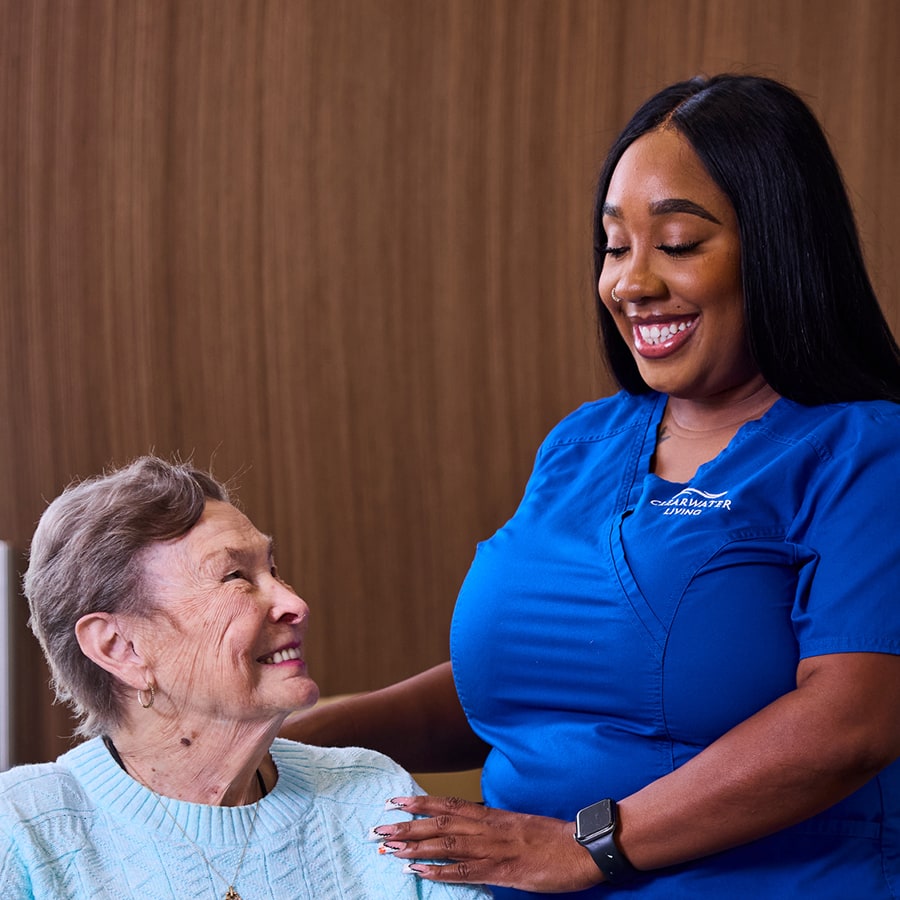
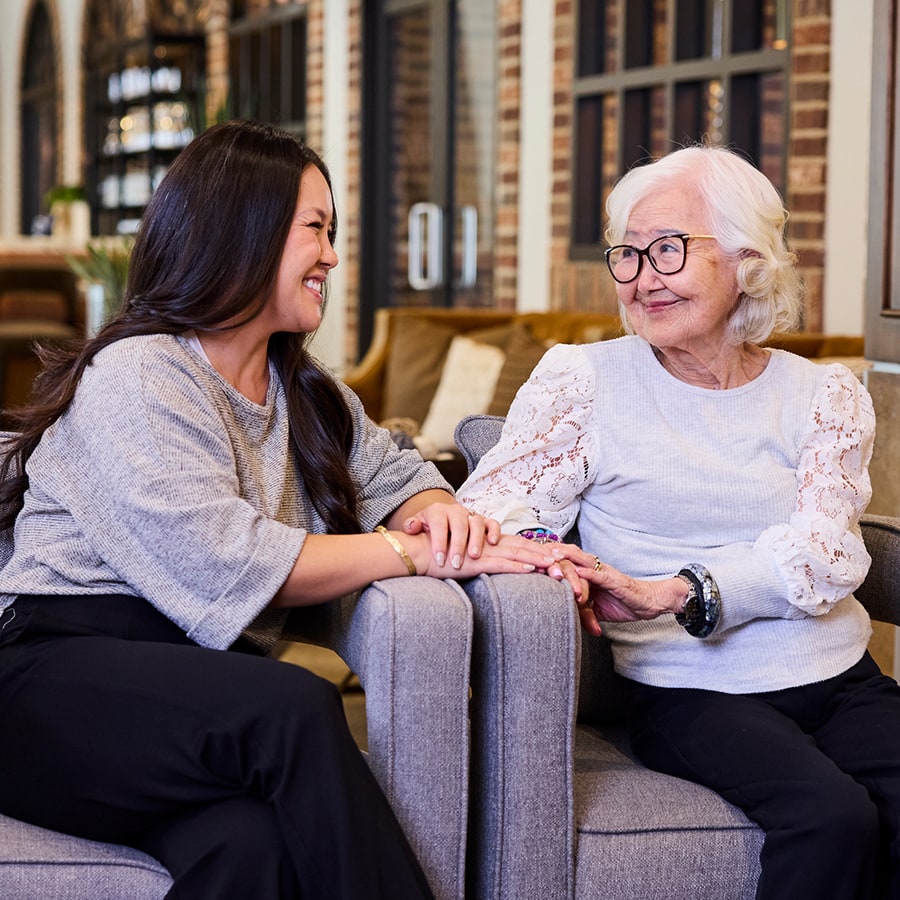
Team members in truly welcoming communities take time to learn your name, your preferences, and the stories that shaped your life. That kind of attention isn’t a one-time gesture. It becomes the foundation for every interaction that follows.
Spaces Designed for Connection
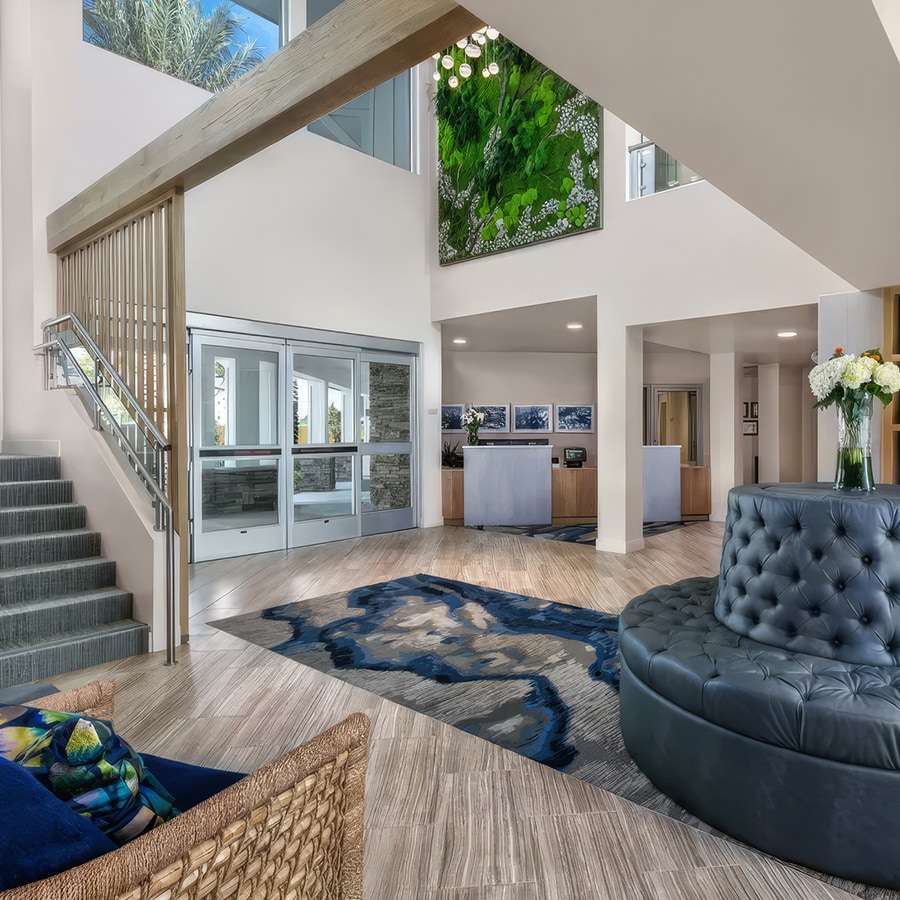
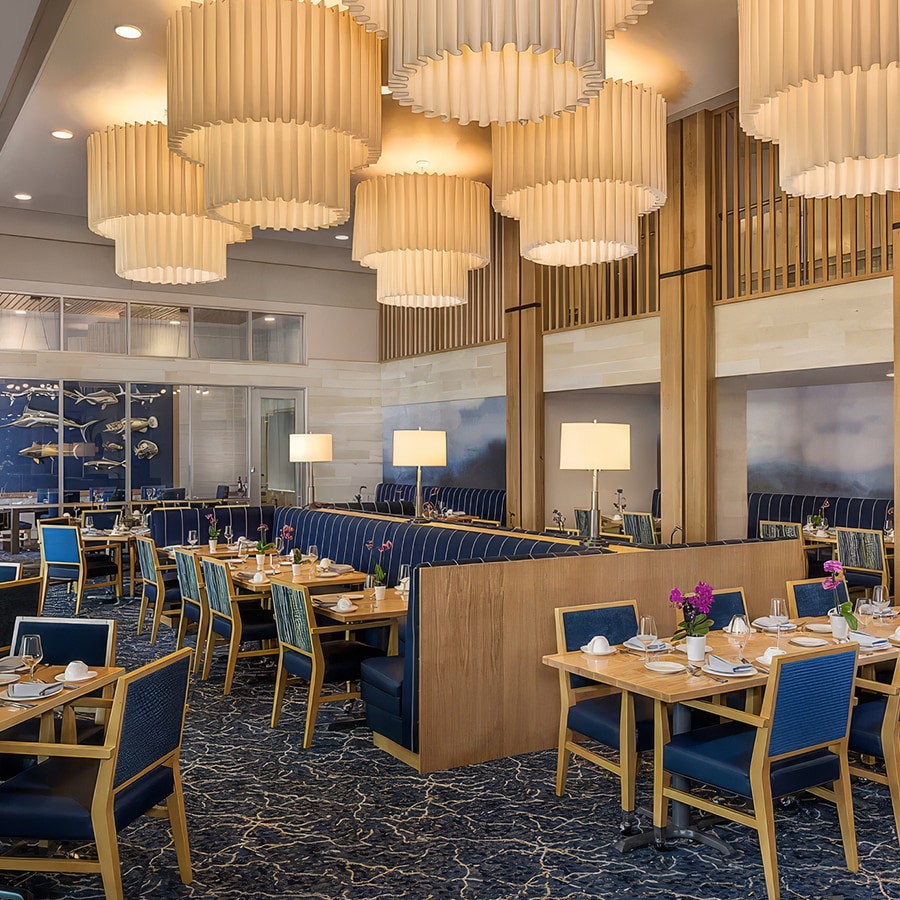
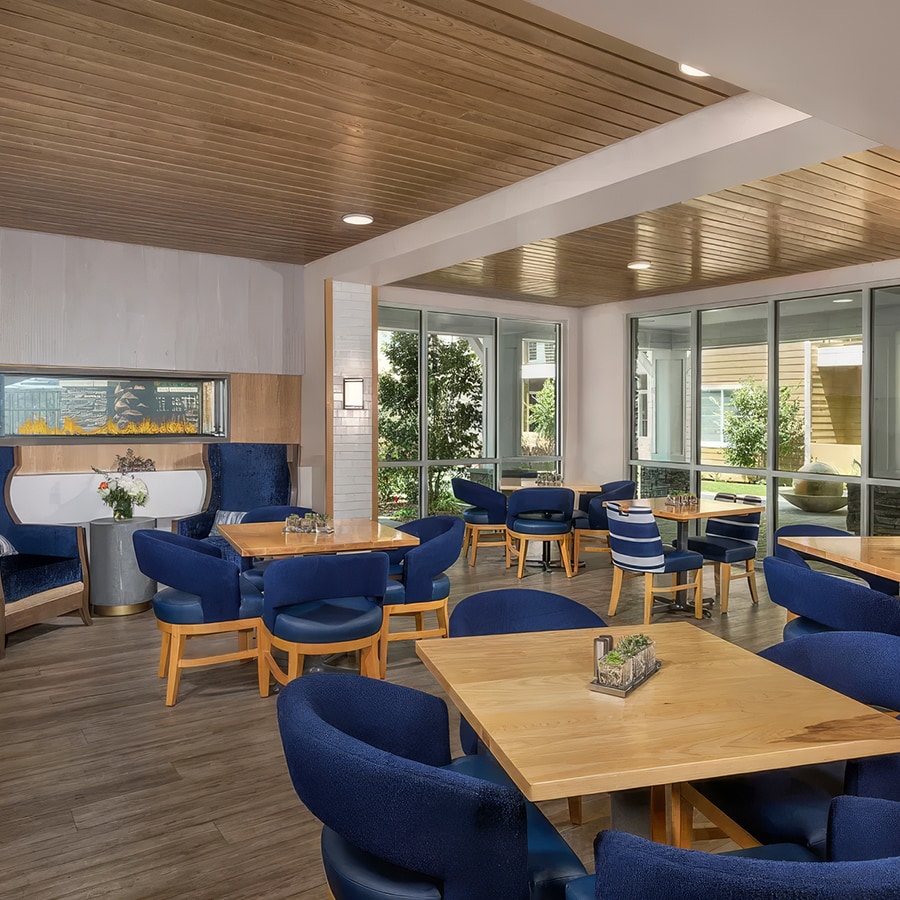
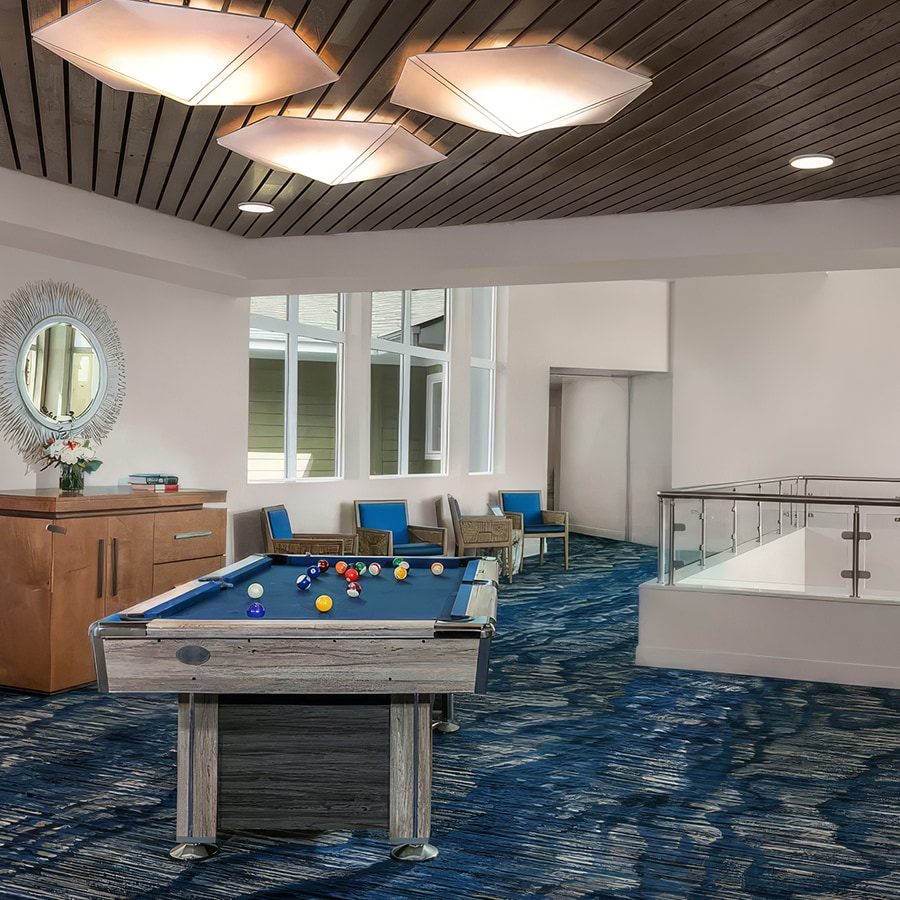
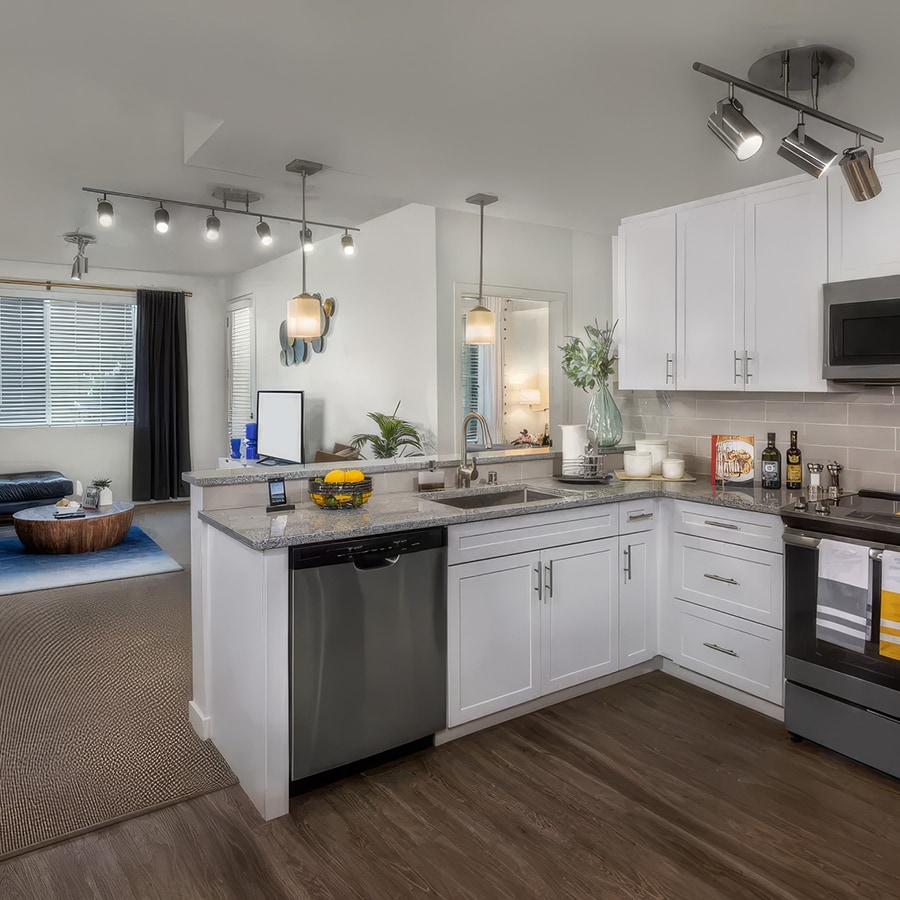
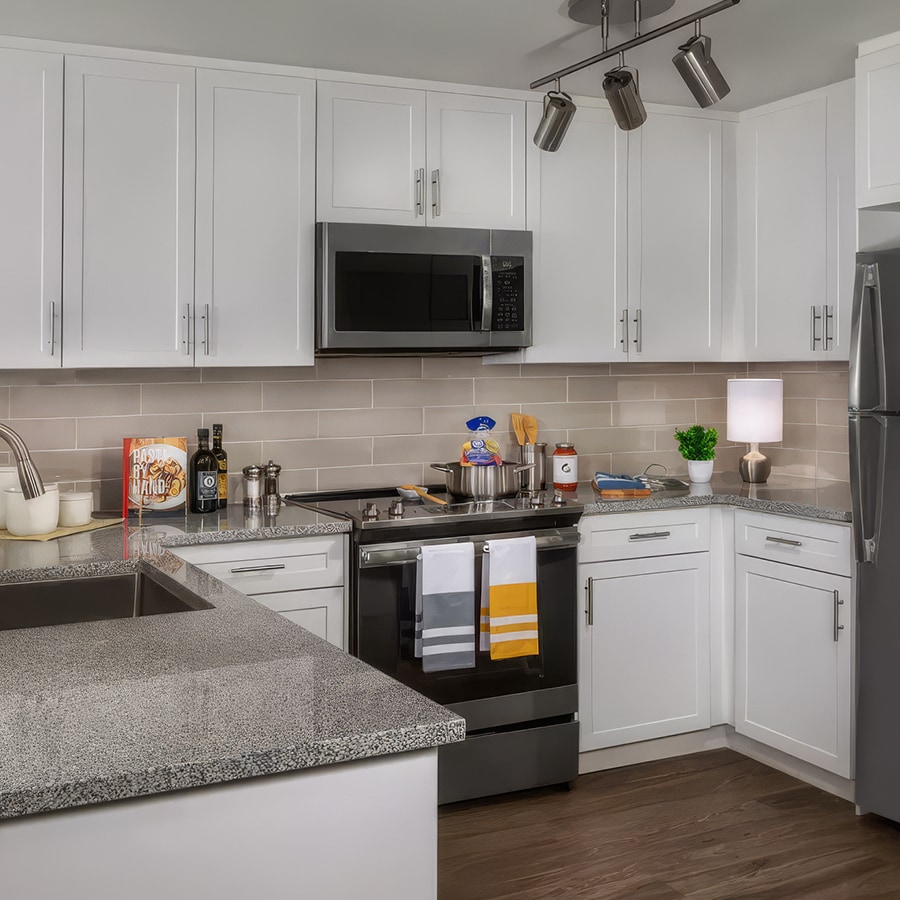
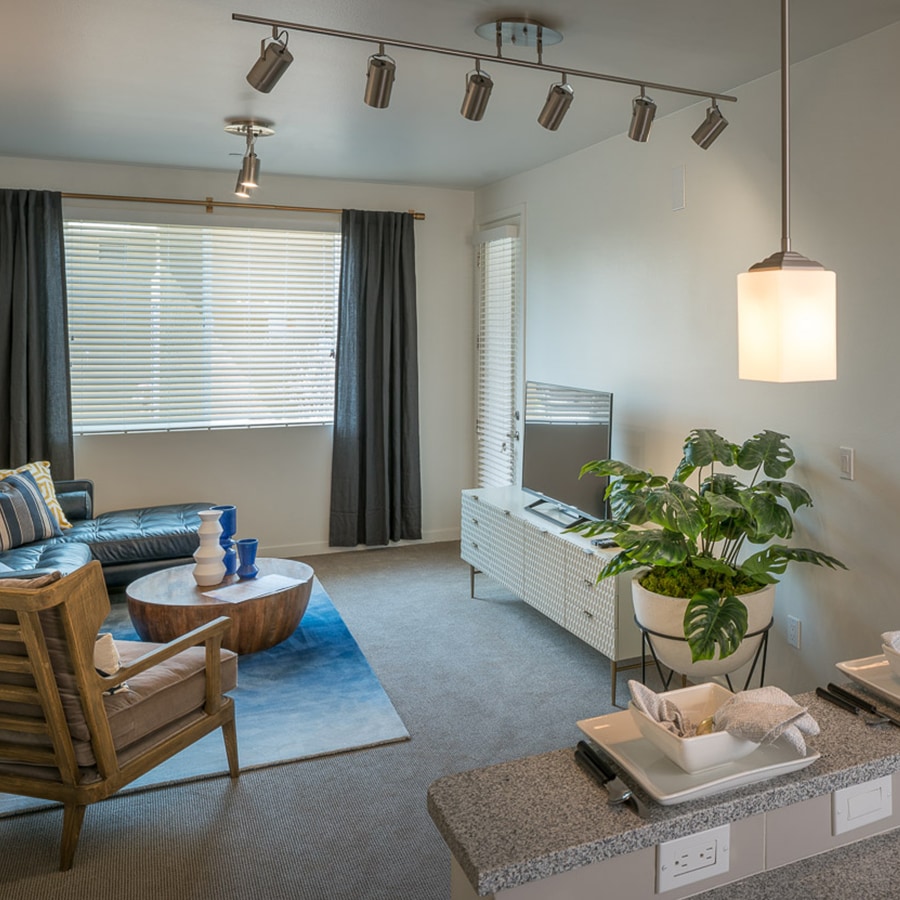
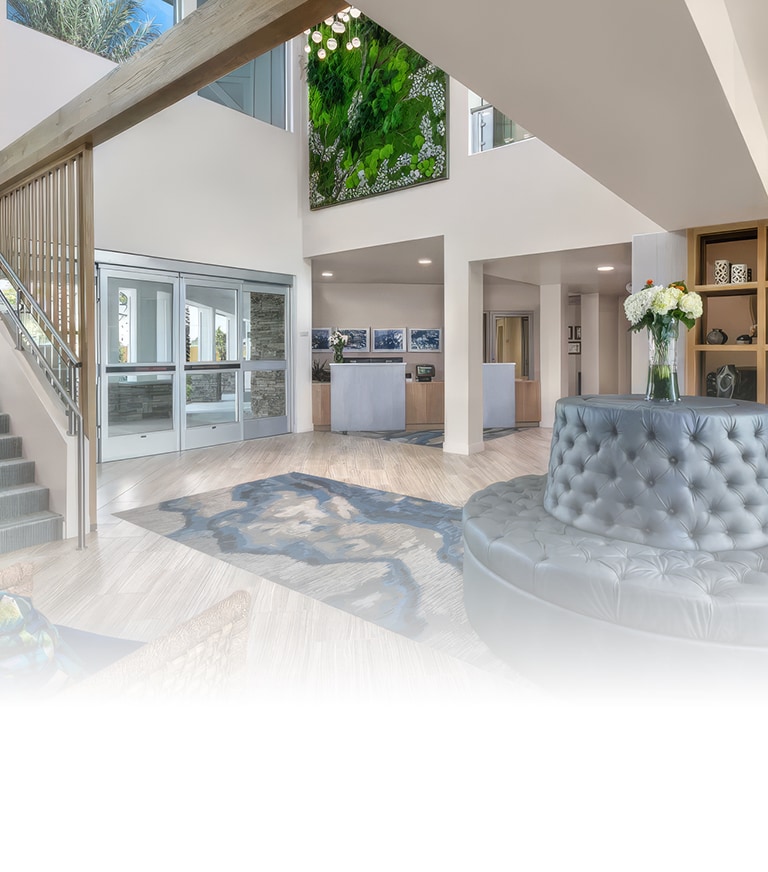
The physical layout of a community says a lot about its values. Common areas designed with comfortable seating, natural light, and inviting textures draw people together organically. You’re more likely to strike up a conversation when the space makes it easy. Browsing a gallery of thoughtfully designed floor plans can give you a real sense of how intentional design shapes daily connection.
At the same time, private space matters just as much. Feeling welcome also means feeling respected when you want quiet. A well-designed community honors both the need to connect and the need for personal space.
Culture, Identity, and Belonging in Senior Living
Honoring Each Resident’s Unique Background
Belonging isn’t possible if your background is invisible. Inclusive senior living communities celebrate cultural heritage through meals, traditions, and seasonal events that reflect the actual people living there. When you see your culture represented on the calendar, it sends a clear message that you matter here. Research from the National Institute on Aging confirms that meaningful participation in activities tied to personal identity supports healthier, more connected aging.
Personalized approaches also mean that care and daily routines are shaped around your values, not a one-size-fits-all schedule. Whether that’s honoring a faith practice, a morning routine you’ve kept for decades, or a dietary preference tied to your heritage, the details count.
Meaningful Activities That Bring People Together
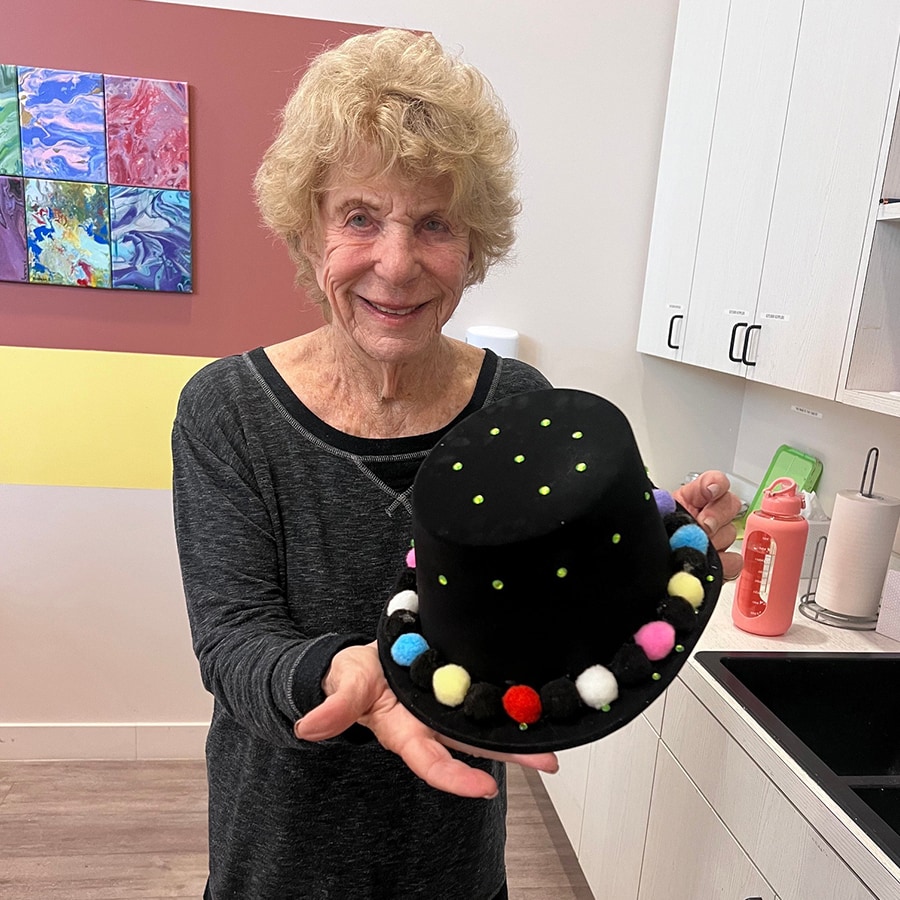
Programming in an inclusive community goes beyond bingo and movie nights. Think resident-led storytelling events, cultural heritage celebrations, and interest-based gatherings that reflect a wide range of backgrounds and passions. When activities are driven by the people who live there, they feel alive rather than scripted. Seeing what’s on the upcoming events calendar is a great way to gauge how vibrant and varied a community’s programming really is.
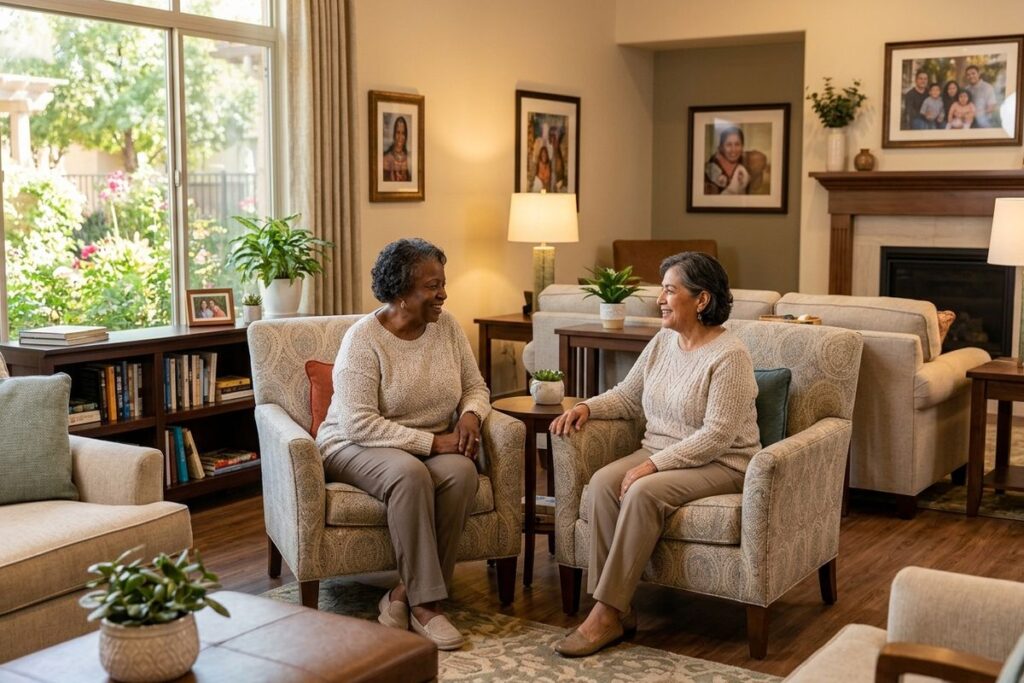
How Team Members Foster a People-First Culture
The tone of any community is set by the people who show up every day. Team members who use respectful, dignified language, who listen before they speak, and who treat residents as whole people rather than a list of needs, make an enormous difference in how a place feels.
When team members understand the diverse backgrounds, identities, and experiences of the people they support, every interaction carries more meaning. Research shows that feeling genuinely connected to the people around you has a direct impact on long-term health and well-being.
Team members also play an active role in connecting residents with one another, noticing shared interests and gently making introductions that spark real friendships.
What to Look for When Choosing an Inclusive Senior Living Community
Questions Worth Asking on Your Tour
When you’re visiting a potential home, go beyond the amenities. Ask how the community celebrates diversity and identity throughout the year. Ask what the independent living experience actually covers, and whether programming reflects the backgrounds of current residents. The answers will tell you a lot.
Pay attention to how team members speak to and about residents during your visit. Notice whether common areas feel lived-in and warm, or polished but empty. The vibe you pick up in those first minutes is usually accurate.
Signs a Community Truly Walks the Walk
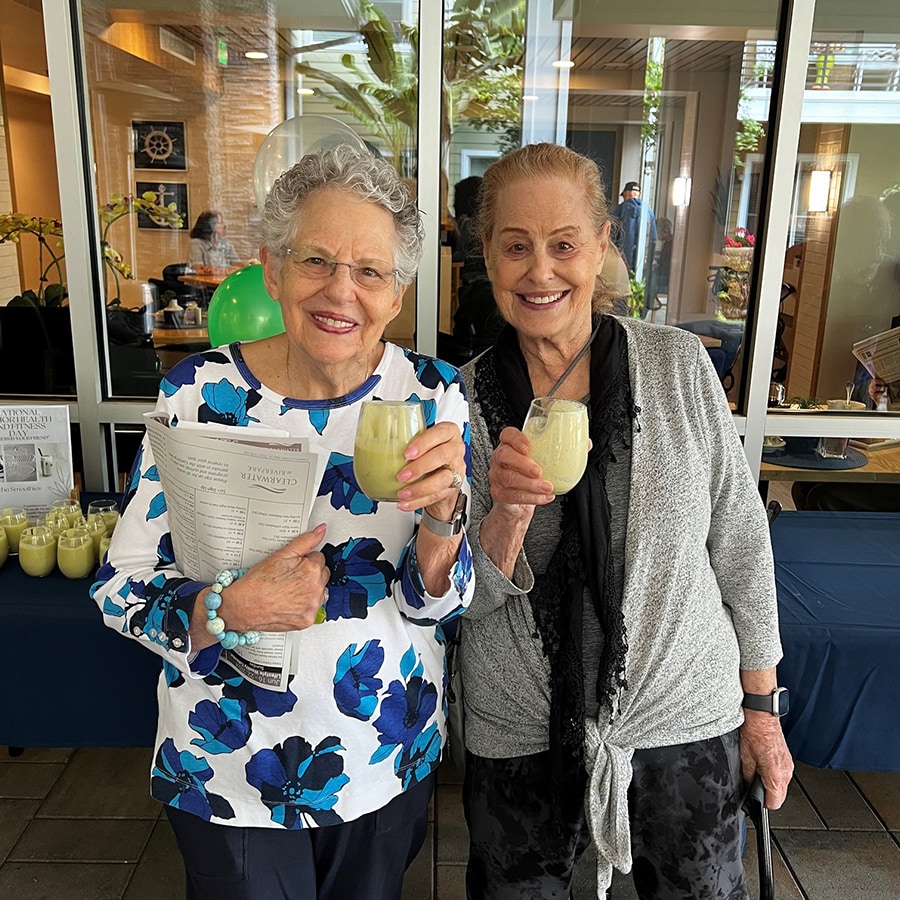
Look for residents from varied backgrounds who seem genuinely connected to one another. Recognition from residents and families, not just marketing language, is a meaningful signal. Trust what you observe with your own eyes more than any brochure.
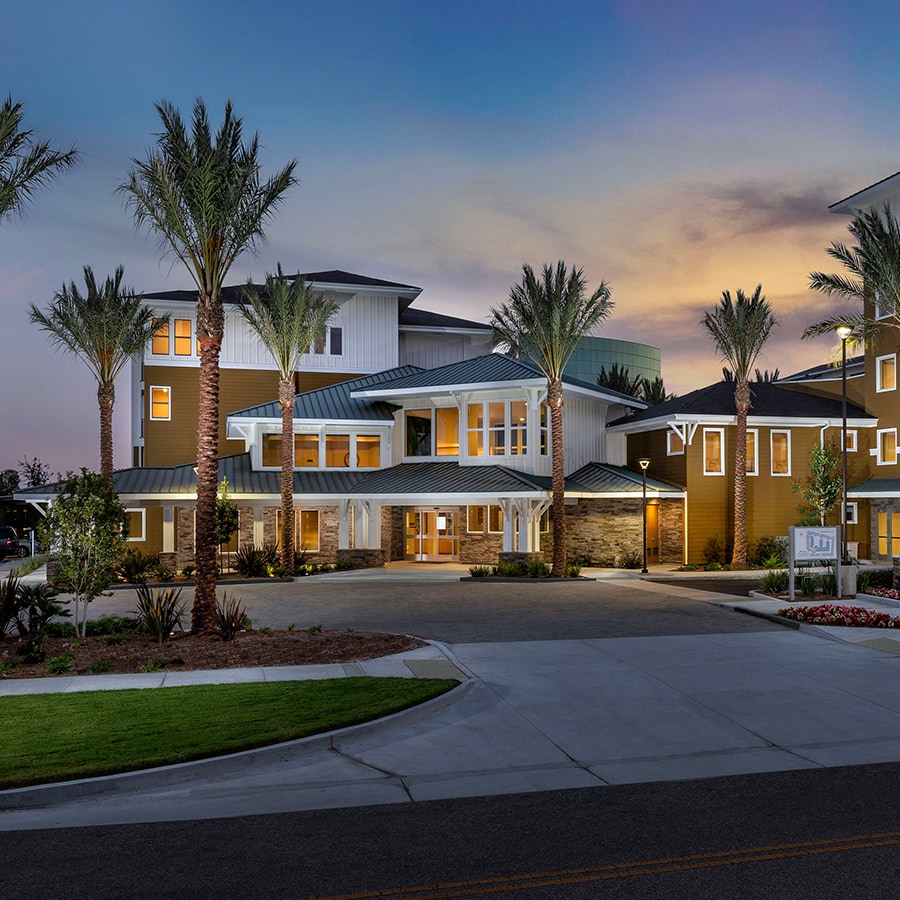
A sense of consistent social connection is one of the clearest indicators that a community truly prioritizes belonging over appearances. Clearwater at Riverpark is a community focused on embracing this people-first approach through an Empowered Living® philosophy, creating an environment where every resident’s identity, story, and sense of belonging are woven into daily life.
Come take a tour and experience our community for yourself.